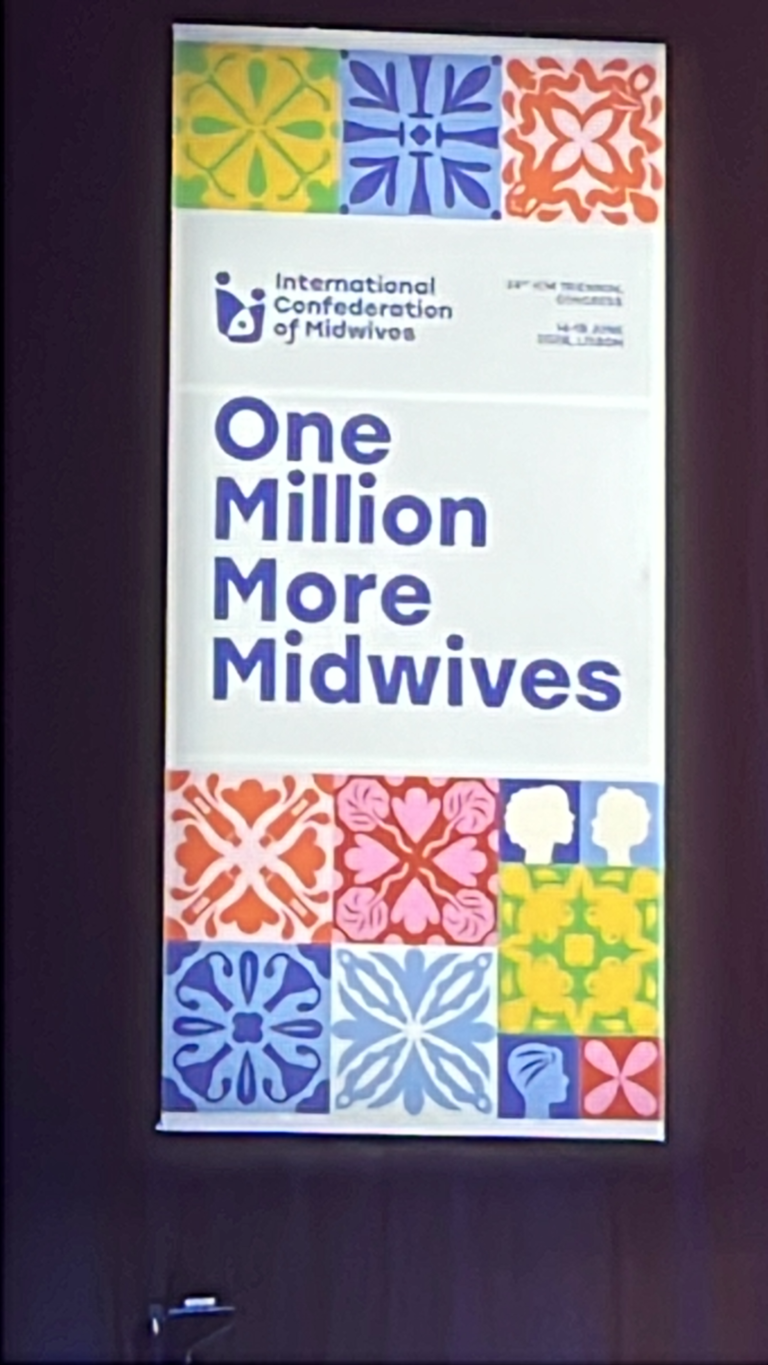
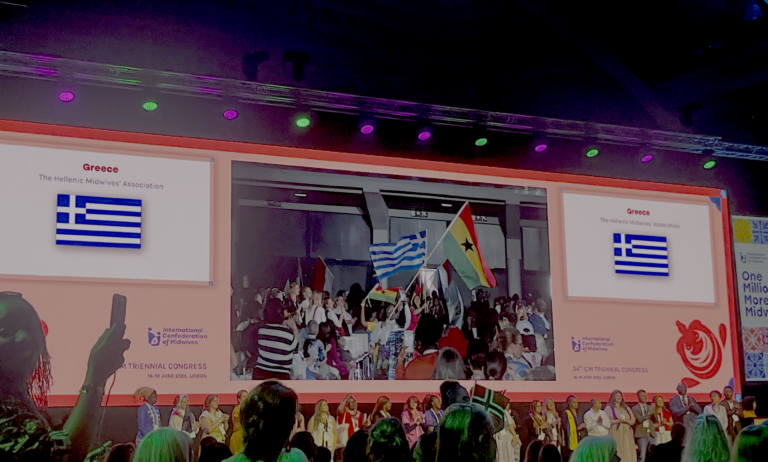
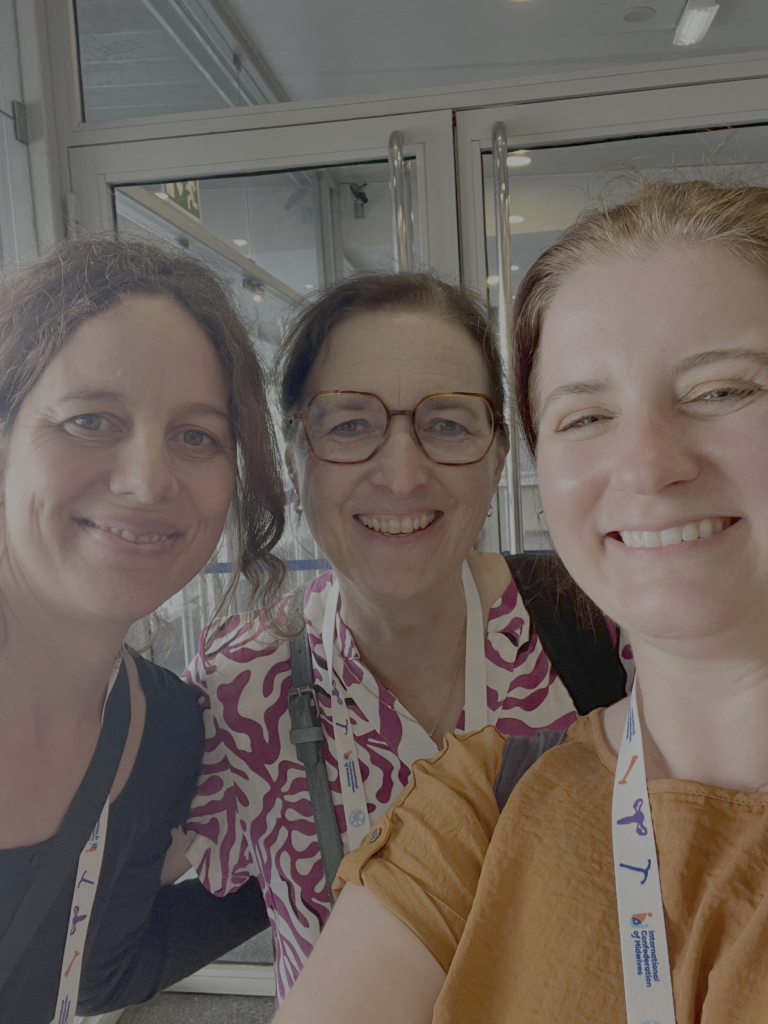
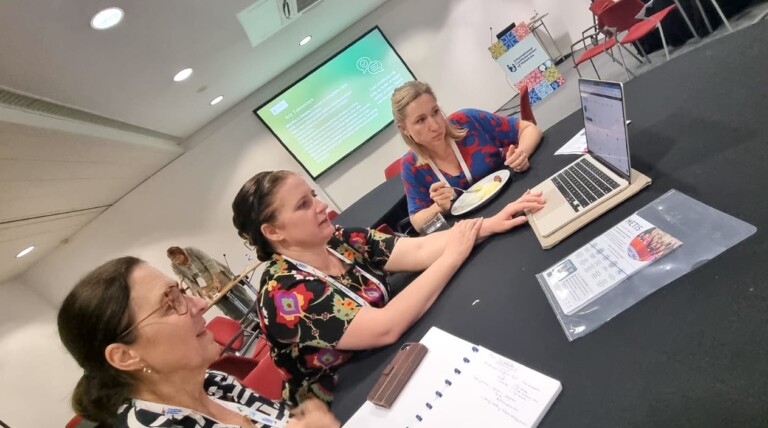
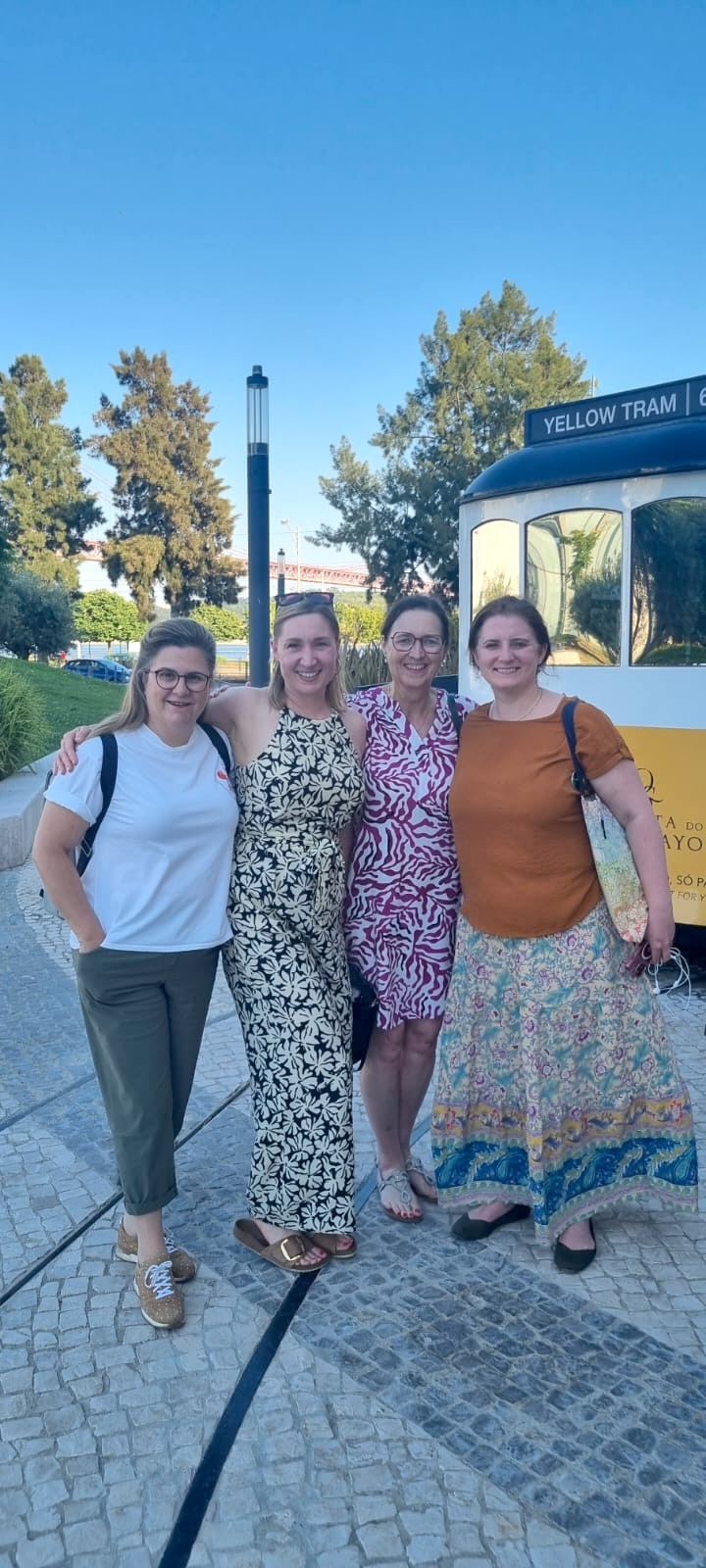
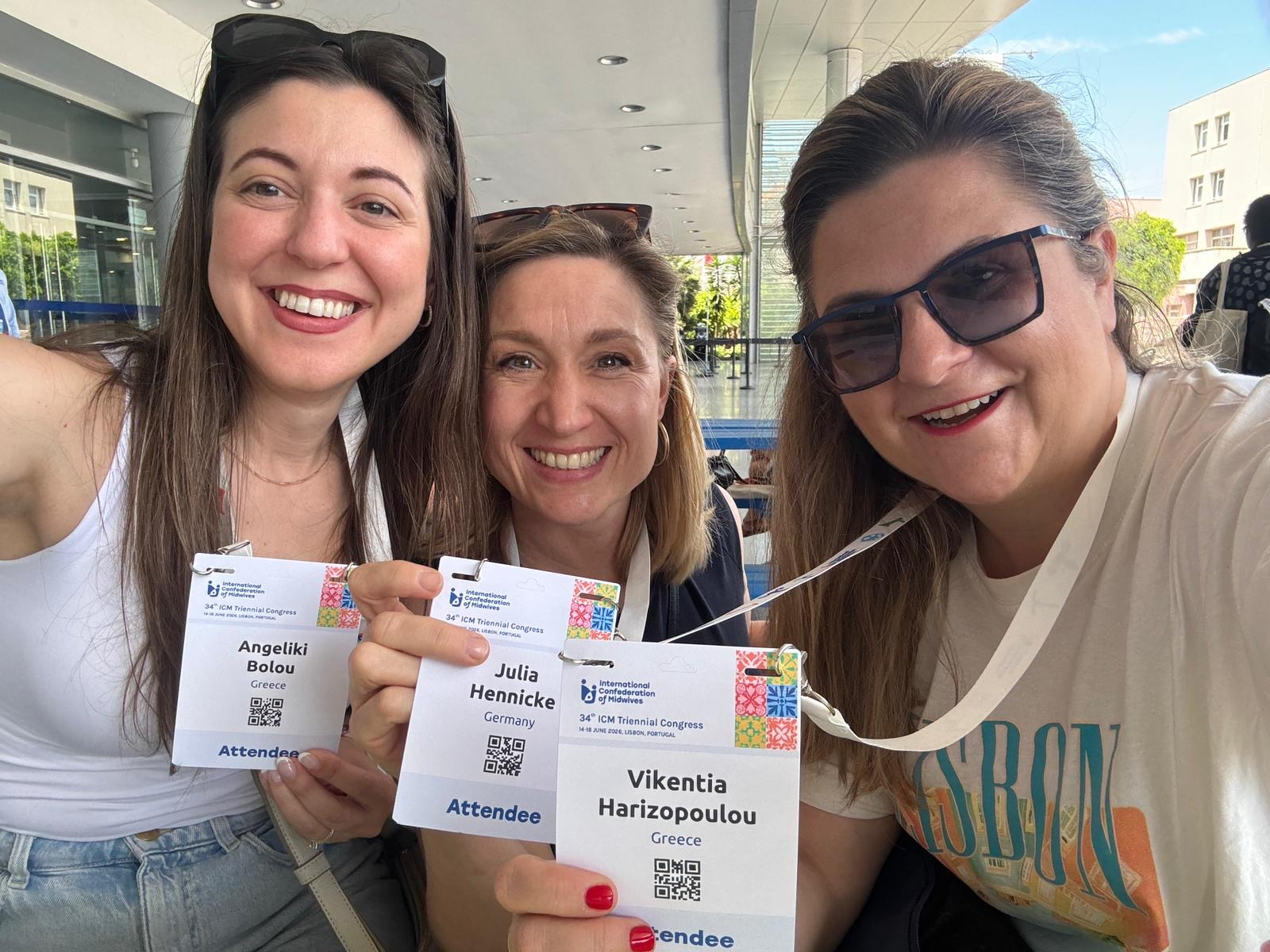
Members of the METIS consortium met in Lisbon during the 34th International Confederation of Midwives Triennial Congress, held from 14–18 June 2026 under the theme “One Million More Midwives.” The Congress brought together midwives, educators, researchers, professional associations, policymakers and partners from around the world to exchange knowledge and discuss the future of midwifery and sexual, reproductive, maternal, newborn and adolescent health.
For METIS, Lisbon provided an important backdrop for reflecting on one of the project’s central concerns: how midwives are supported to move from education into confident, sustainable professional practice. While global discussions often focus on the urgent need for more midwives, METIS focuses on an equally important question: how can newly qualified midwives be better supported to enter, stay and thrive in the profession?
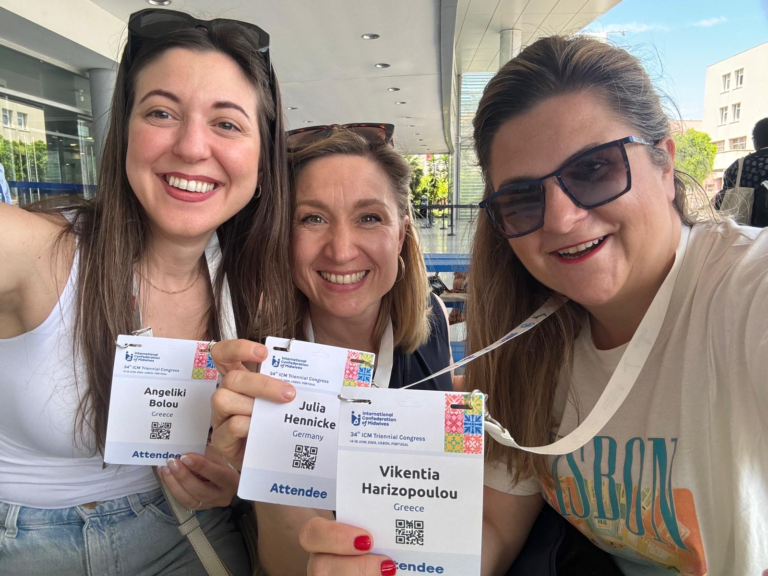
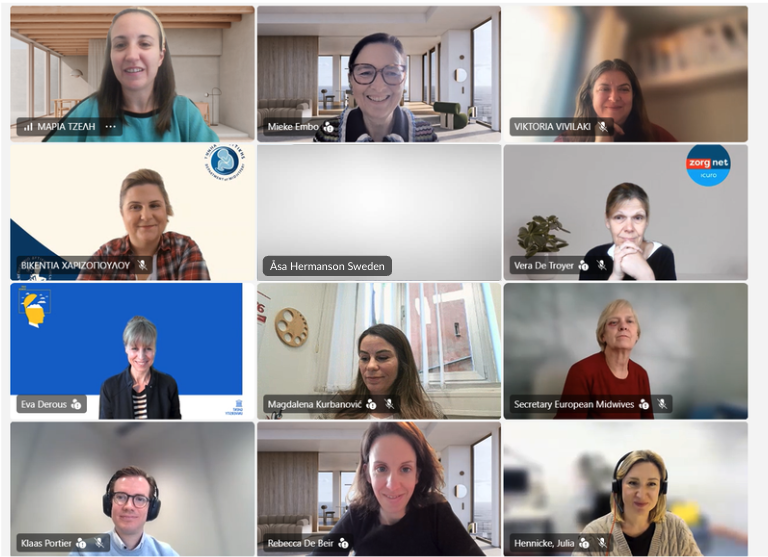
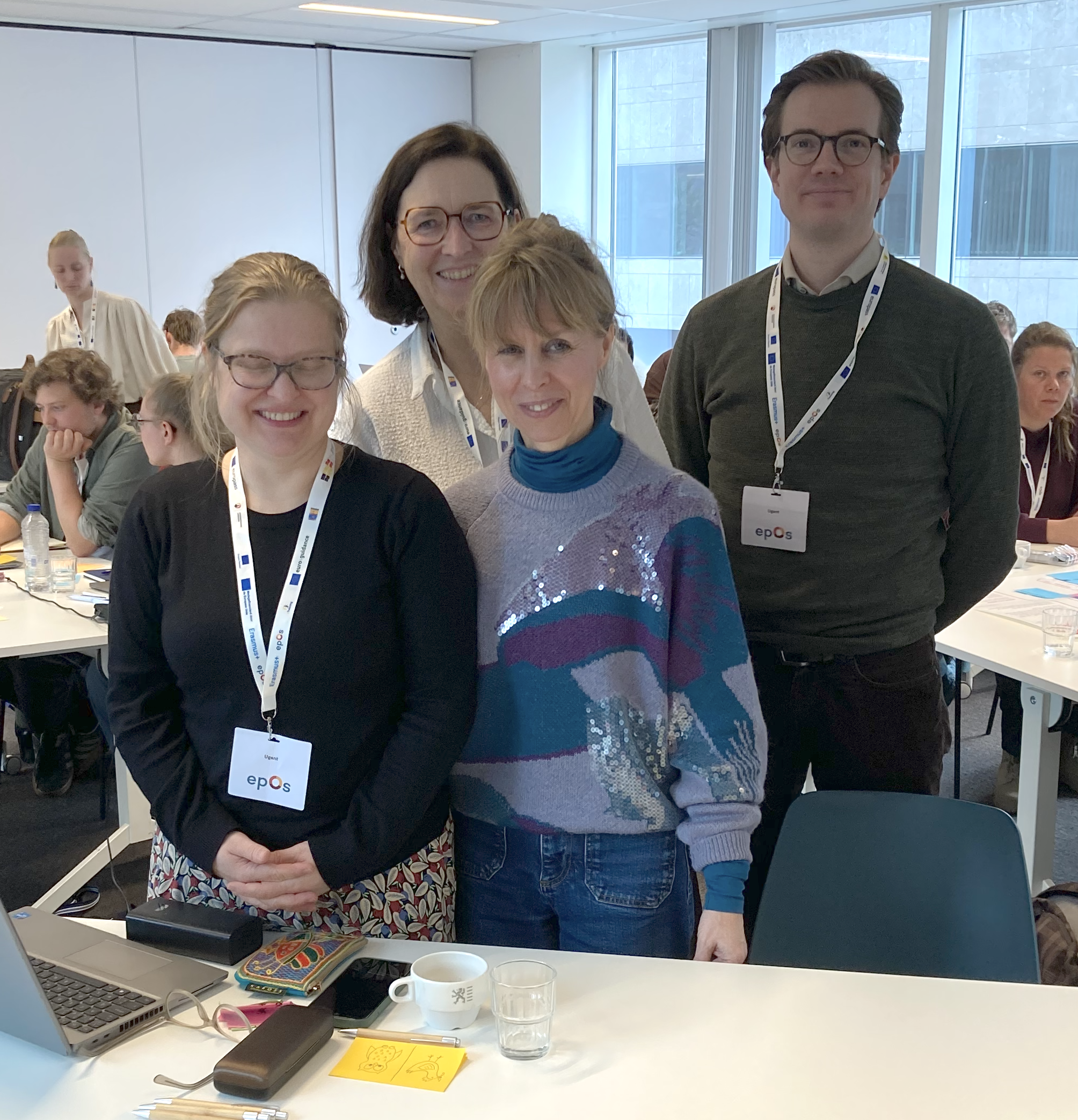
The METIS team in Lisbon included Vikentia Harizopoulou, Viktoria Vivilaki and Elisabeth Wilhelm from the University of West Attica, Mieke Embo from Ghent University, and Julia Hennicke from Charité – Universitätsmedizin Berlin. Their participation reflected several of the project’s core areas of interest: professionalisation, competency-based education, digital and technical readiness, Eportfolio-supported learning, mentorship, wellbeing, and the translation of European policy into practical support for midwives.
These themes were visible across the team’s contributions. Julia Hennicke presented a poster on “Building midwifery entrustable professional activities to bridge competencies and clinical assessment in student education,” highlighting the importance of making professional competencies visible, assessable and meaningful in clinical learning. Viktoria Vivilaki led an interactive workshop titled “Strengthening midwifery in Europe: A workshop on translating policy to practice,” focusing on how policy commitments can translate into concrete improvements in midwifery education and professional environments. Vikentia Harizopoulou chaired a session on faculty development in education, reinforcing the role of educators in shaping the future midwifery workforce.
For Vikentia, one of the strongest messages from Lisbon was the importance of enabling midwives to practice to the full scope of their competencies. She reflected that when this happens, “outcomes improve for women, babies, families, and healthcare systems.” She also noted that professionalization requires more than clinical preparation: newly qualified midwives need “professional confidence, reflection, leadership skills, and wellbeing resources.”
Julia similarly emphasized the importance of designing METIS resources that work across different professional realities. “What inspired me most was meeting midwives from very different countries and healthcare systems,” she said. For METIS, this reinforces the need for learning materials that are practical, accessible and flexible enough to support midwives across diverse European contexts.
Mieke Embo, Ghent University confirmed, “The transition into practice should not be left to chance. With Eportfolios, we can support reflection, feedback and confidence at exactly the moment newly qualified midwives need it most.”
Viktoria Vivilaki, University of West Attica remarked, “METIS translates European policy into practical support for the next generation of midwives.”
The discussions in Lisbon confirmed that the transition from student to registered midwife is not a narrow educational issue. It is a professionalization issue, a workforce issue, and a policy issue. METIS responds by developing Eportfolio-supported interventions for final-year students, newly qualified midwives and mentors, with attention to job applications, onboarding, continuous professional development, wellbeing, mentorship and digital readiness.
As METIS moves forward, the Congress will help inform the development of resources that do more than deliver information. The aim is to support reflection, confidence, competency articulation and professional identity — helping midwives not only enter practice but build sustainable careers within it.